Text in english
Texto em português
Works developed using digital technologies and hybrid approaches to art and media. This gallery gathers experiments in 3D sculpture, video, creative coding, algorithmic image manipulation, and sensory interaction. Each piece explores modes of presence, memory, and identity in digital contexts — between body and code, the intimate and the collective, the material and the virtual.
Trabalhos desenvolvidos com tecnologias digitais e processos híbridos de arte e media. Esta galeria reúne experiências com escultura 3D, vídeo, codificação criativa, manipulação algorítmica de imagem e interações sensoriais. Cada obra investiga modos de presença, memória e identidade em contextos digitais — entre o corpo e o código, o íntimo e o coletivo, o material e o virtual.
One Place to Live [ ] Heritage + Artivism + ProcessingART
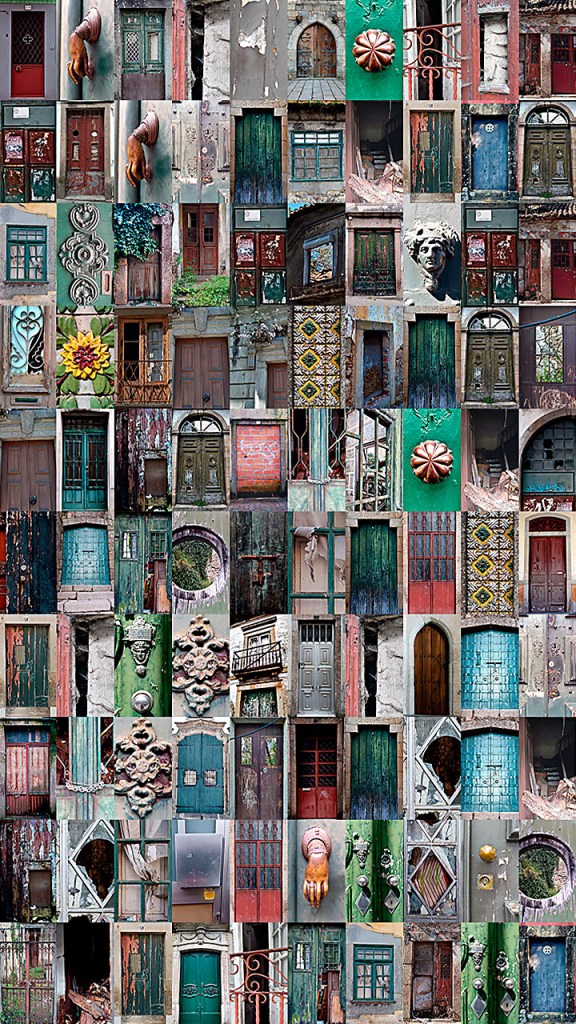
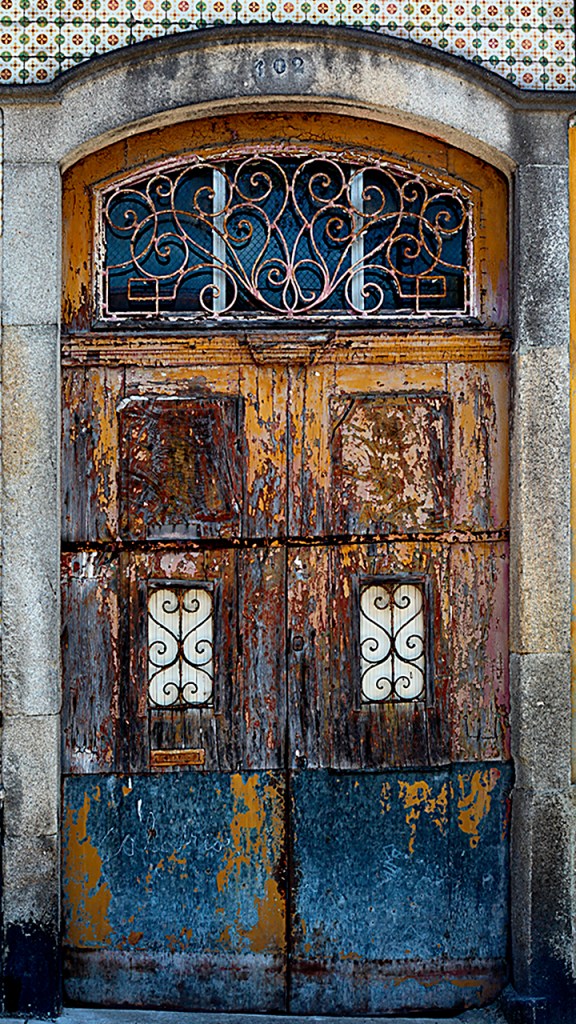
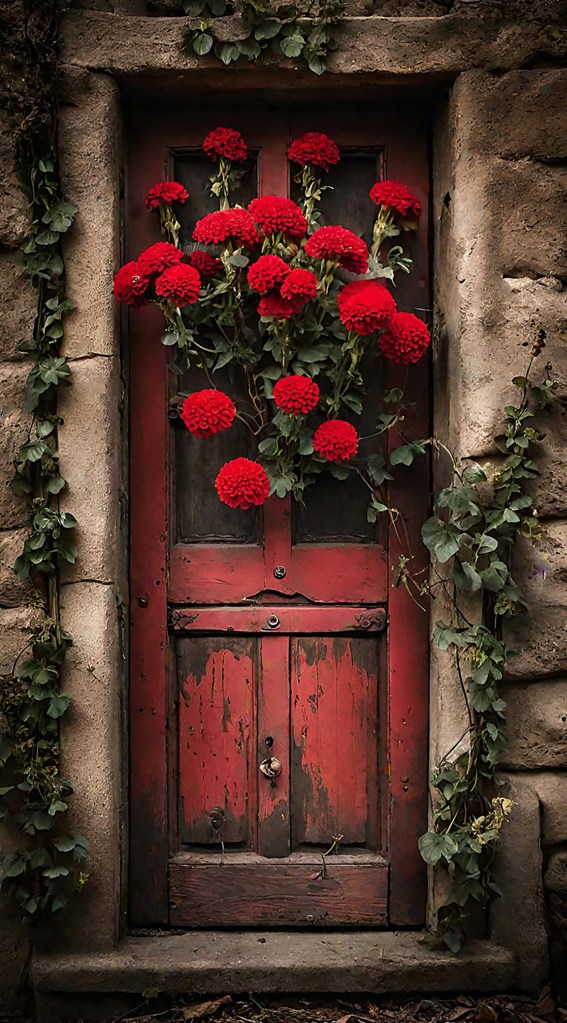
The work One Place to Live exists from an archive captured over 22 months, between the years 2022 and 2023.
A process of visual and sound research that tells a bit of the story of architectural heritage and everyday life, through photographic records, sounds, and videos of doors in the cities of Braga, Porto, and Lisbon. Photos of old doors discovered through long walks around the cities. Sounds and videos captured from observing daily life while walking these paths.





One Place to Live [ ] Património + Artivismo + ProcessingART
A obra One Place to Live existe a partir de um arquivo captado durante 22 meses, entre os anos de 2022 e 2023.
Um processo de pesquisa visual e sonora, que conta um pouco da história do património arquitetónico, do quotidiano, em registos fotográficos, de sons e de vídeos de portas das cidades de Braga, Porto e Lisboa. Fotos de portas antigas, descobertas através de longos percursos a pé pelas cidades. Sons e vídeos captados a partir do observar a vida quotidiana ao percorrer estes caminhos.
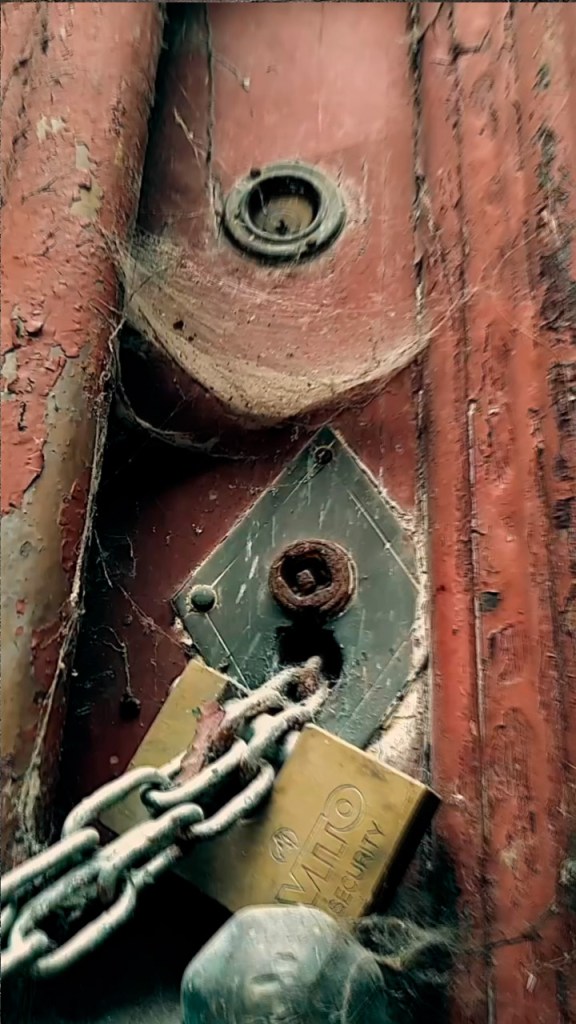

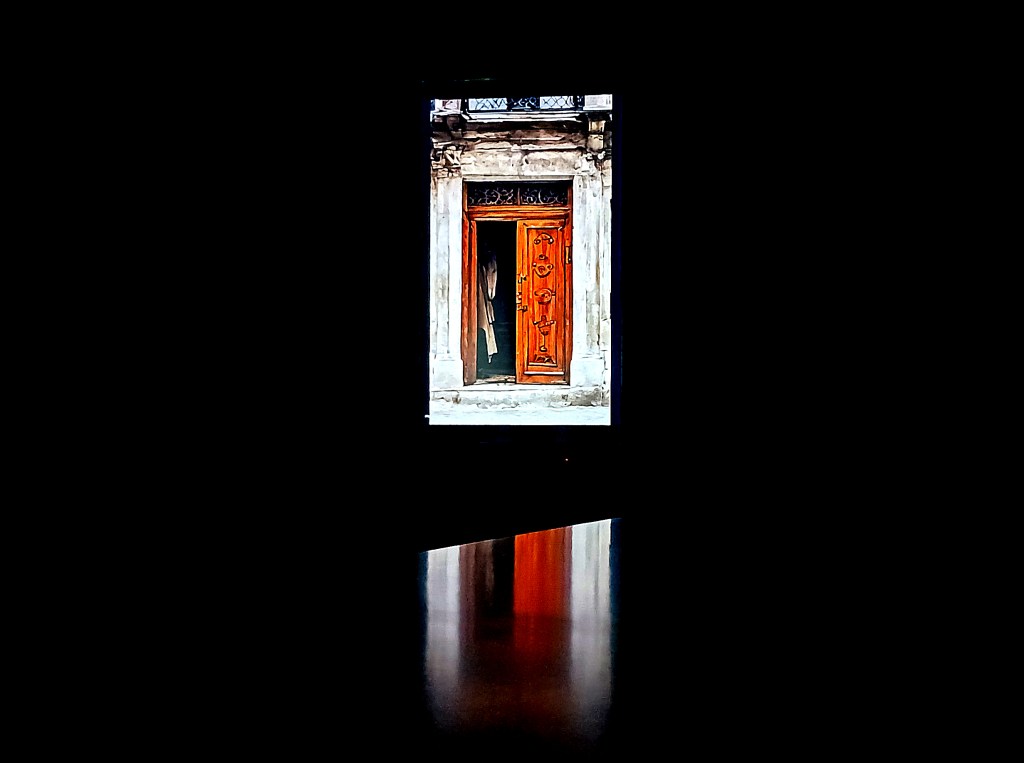
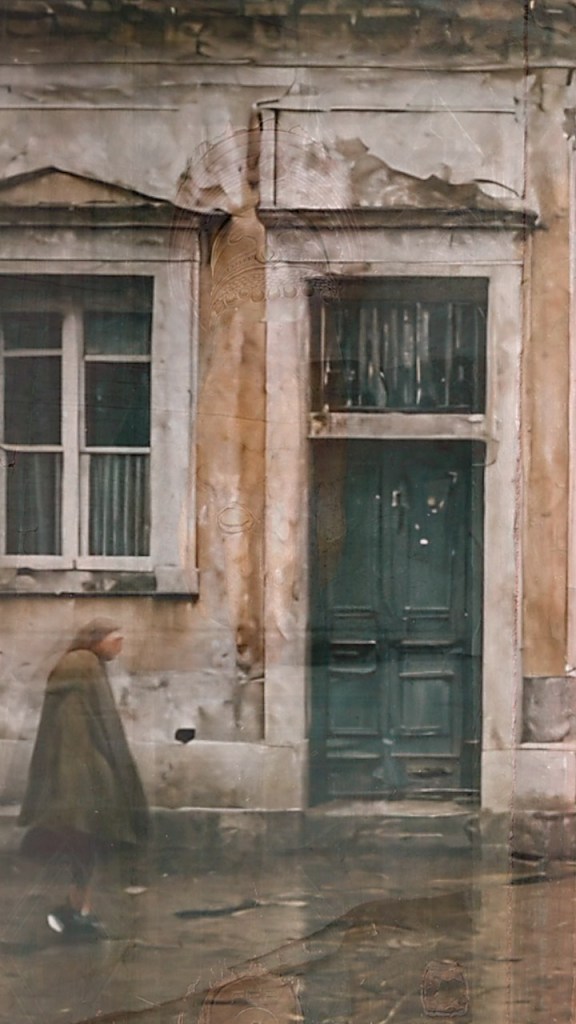

In addition to documenting heritage and architectural history, the work One Place to Live turns to the public issue of housing in Portugal, addressing the lack of housing options for the population amid so many abandoned spaces and companies focused on real estate speculation. In each door devastated by time, by abandonment, closed by chains, there is a possibility for housing, in the present and future of that parish, that district, this country.
Para além de registar o património, a história arquitetónica, a obra One Place to Live volta-se para a questão pública da moradia em Portugal, para a ausência de opções de habitação para a população, em meio a tantos espaços abandonados e empresas voltadas à especulação imobiliária. Em cada porta devastada pelo tempo, pelo abandono, fechada por correntes, existe uma possibilidade de moradia, no presente e futuro daquela freguesia, daquele distrito, deste país.
#prosseceingart #
mediaart #digitalart #liriavarne #liriaartist
ProcessingART + BioArt // Looking InSide .•˚˙
The piece LOOKING INSIDE is part of the media arts series titled LiFe is RanDom, in which I compile personal archives and field records used to create works with a randomized narrative, in a poetic relationship with the lack of control over life.
In this work, I challenged myself to search through my archives and choose something that was emotionally too heavy for me, a feeling that I should transform through reflection on this playful aesthetic.
The playful dimension lies in looking at something that initially scares and intimidates us, the inside of our bodies. Working with these images, which already have a meaning in our imagination, to create images that do not refer to a medical examination or the psychological environment that confronts us inside a hospital. In Looking Inside, the playful aspect is in the magic of transformation, in the possibility of seeing something from another point of view.
..
.
.
Liria Varne é artista visual atriz e media artist
ProcessingART + BioArt // Looking InSide .•˚˙
A peça LOOKING INSIDE faz parte da série de trabalhos em media arts denominada LiFe is RanDom, na qual compilo arquivos pessoais e field records que são usados para criar obras com uma narrativa randomizada, numa relação poética com a falta de controlo sobre a vida.
,
,
,
Nesta obra, propus-me o desafio de vasculhar meus arquivos e escolher algo que me fosse demasiado pesado emocionalmente, cujo sentimento eu deveria, através do pensamento sobre essa estética lúdica, transformar.
A dimensão lúdica reside no olhar de algo que inicialmente nos assusta e intimida, o interior dos nossos corpos. Trabalhar com essas imagens que já têm um significado em nosso imaginário, para criar imagens que não remetem a um exame médico ou ao ambiente psicológico que nos interpela dentro de um hospital. Em Looking Inside, a parte lúdica está na mágica da transformação, na possibilidade ver algo por outro ponto de vista.
Artistic residence
Digital sculpture, 3D-printed PVC, 2015
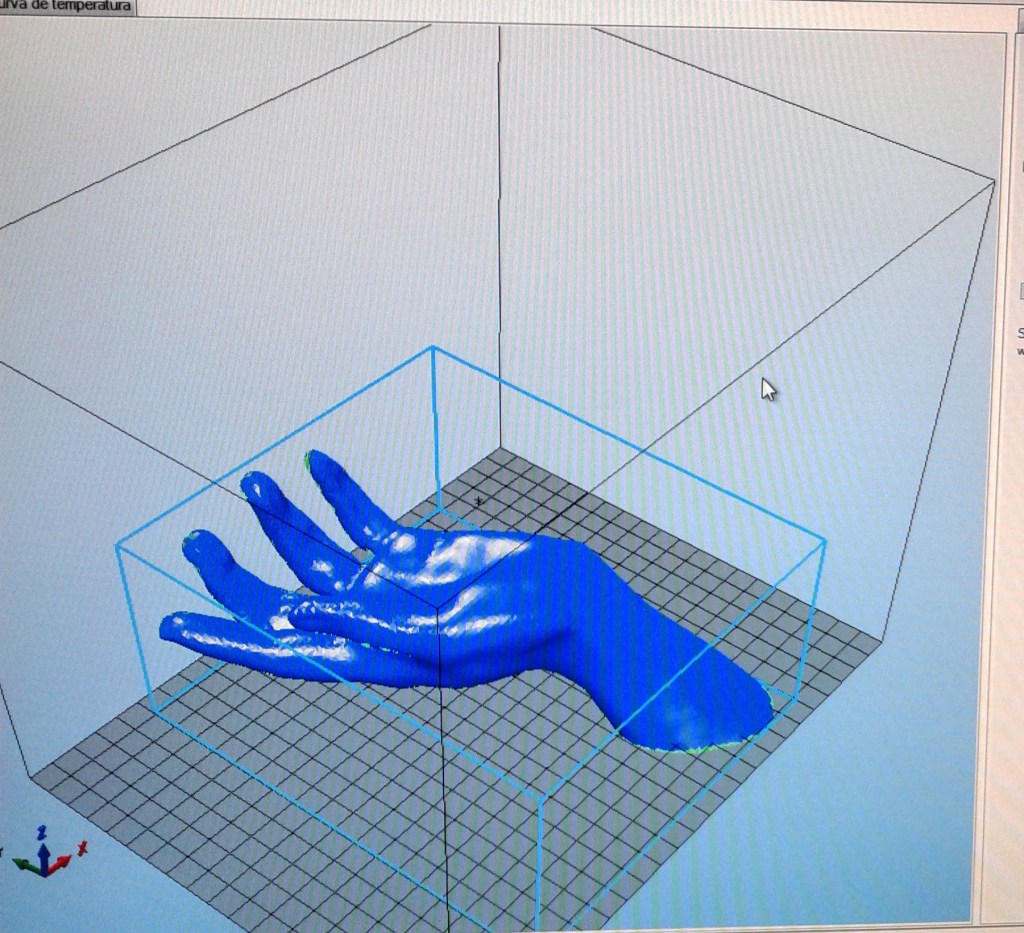
Alice Através is composed of three sculptures – a head and two hands – created through the 3D scanning of my own body. The project was developed during an artistic residency at MemoFabLab, at the Latin America Memorial in São Paulo, using technologies such as Kinect-based body scanning and 3D printing in PVC.
Residencia artística
Escultura digital, PVC impresso em 3D, 2015
Alice Através é composta por três esculturas – uma cabeça e duas mãos – criadas a partir da digitalização do meu próprio corpo. O projeto foi desenvolvido durante uma residência artística no MemoFabLab, no Memorial da América Latina, em São Paulo, e utiliza tecnologias de escaneamento 3D (Kinect) e impressão 3D em PVC.


#liriavarne #madmapper #visualartist
The work proposes a symbolic crossing: the figures appear to emerge from within, breaking through walls or windows, blurring the boundaries between private and public space. With a strong bodily presence, the sculpture evokes questions about identity, presence, technical reproduction, and contemporary ways of existing between the physical and the digital.
Originally installed in urban environments and open architectural settings, Alice Através explores direct dialogue with passersby — a displaced body inviting pause, observation, and reflection on the human recreated by machines.
A obra propõe uma travessia simbólica: as figuras parecem emergir de um interior, atravessando superfícies físicas como paredes ou janelas, tensionando os limites entre o espaço íntimo e o espaço público. Com forte presença corporal, a escultura evoca questões sobre identidade, presença, reprodução técnica e os modos contemporâneos de existir entre o físico e o digital.
Instalada originalmente em ambientes urbanos e arquiteturas abertas, Alice Através explora o diálogo com o público passante, como um corpo deslocado que convida à pausa, ao olhar e à reflexão sobre o humano recriado por máquinas.
Search
Pesquisa
According to some photographers, digital manipulation serves to enhance that figure, it has no relation to the person being photographed, but rather as a “place” where they can arrive as an image.
This question of the real and the imagined served as the basis for the investigation of this TransForma series. The challenge was to create works through digital manipulation, based on a single work, a study from 1996. With the digitalized study, it would only be possible to work with the results obtained after applying the filters and they were applied countless times, generating different compositions. . The interventions took place until they achieved impressive results and without an explanation of the research it is not possible to imagine that the works derive from the same DNA.
The image on the side went through a series of steps in an image manipulation program, Photoshop, and resulted in different works, which do not seem to descend from the same starting point. The works are produced in Methacrylate*. Today, TransForma has around 30 works that descend from the same “DNA” or initial work.

Segundo alguns fotógrafos a manipulação digital serve para elevar a potencialidade daquela figura, não tem relação com a pessoa fotografada, mas sim como “lugar” aonde ela pode chegar como uma imagem.
Esta questão do real e do imaginado serviu como base para investigação desta série TransForma. O desafio era criar obras através de manipulação digital, tendo como base uma única obra, um estudo de 1996. Com o estudo digitalizado, só seria permitido trabalhar com os resultados obtidos após os filtros aplicados e foram aplicados inúmeras vezes gerando composições distintas. As intervenções ocorreram até chegar a resultados que impressionam e sem uma explicação sobre a pesquisa não é possível imaginar que as obras derivam do mesmo ADN.
A imagem ao lado passou por uma série de etapas em um programa de manipulação de imagem, Photoshop, e resultou em diferentes trabalhos, que não parecem descender de um mesmo ponto de partida. As obras têm saída em Metacrilato*. Hoje, o TransForma tem por volta de 30 obras que descendem do mesmo “ADN’’ ou obra inicial.
To see the photos in the gallery below, just click on one of the arrows, to the right or left of the photo.
Para ver as fotos da galeria abaixo, basta clicar em uma das setas, à direita ou à esquerda da foto.



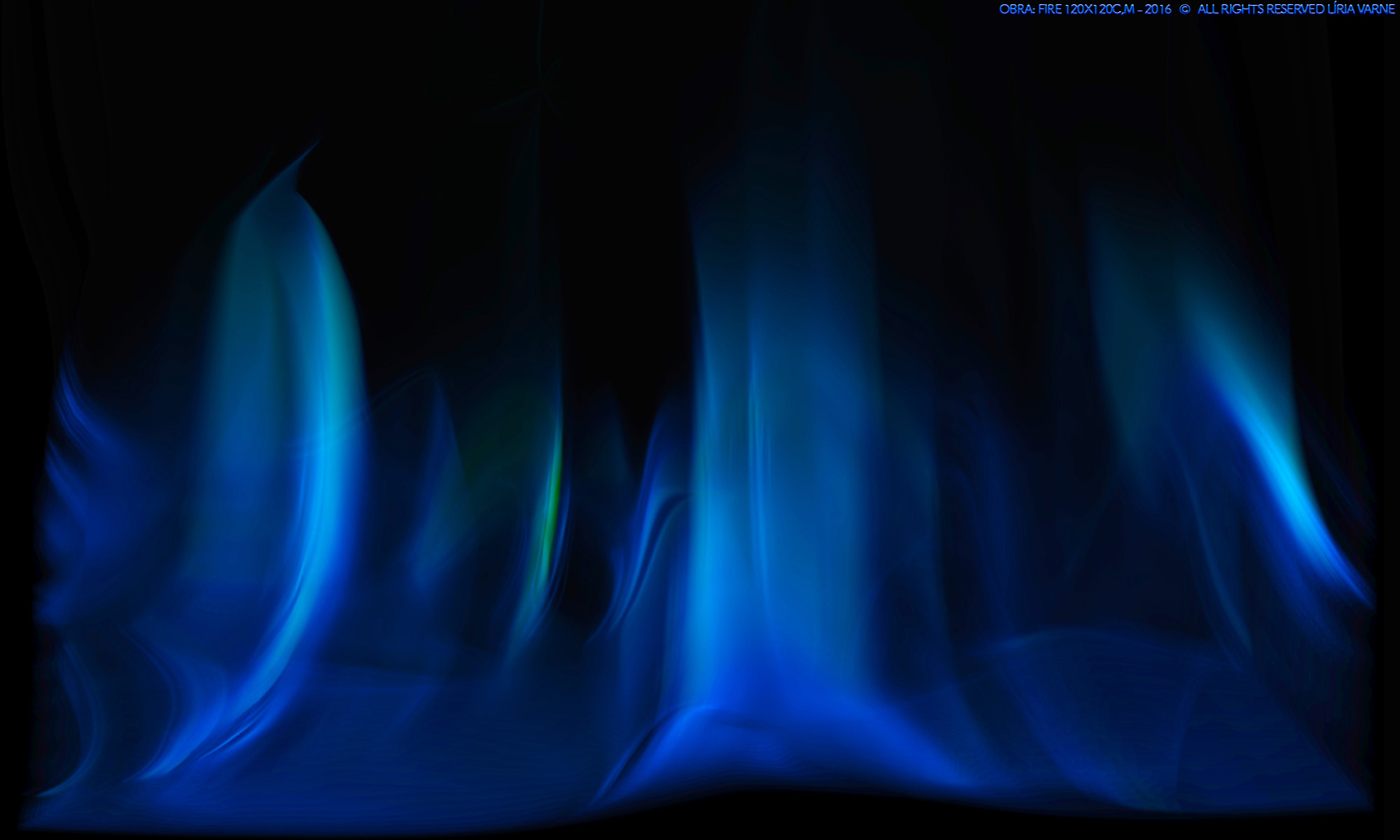
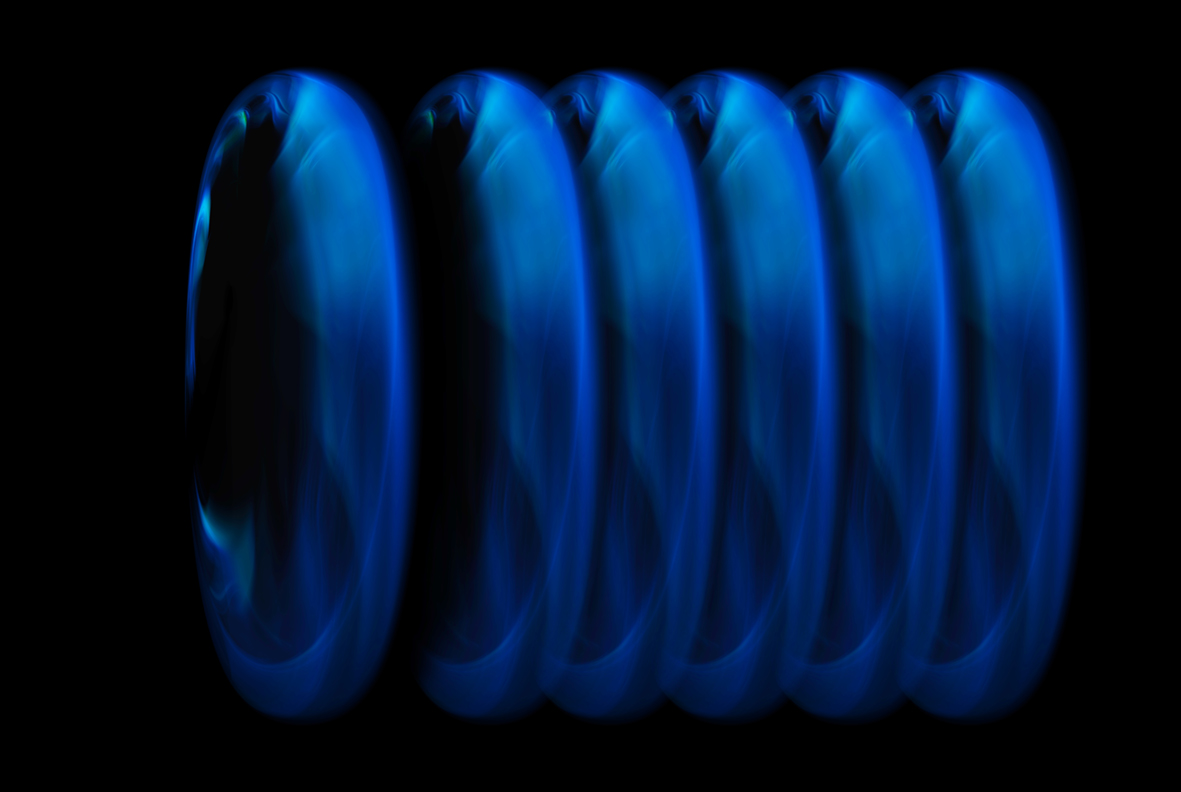
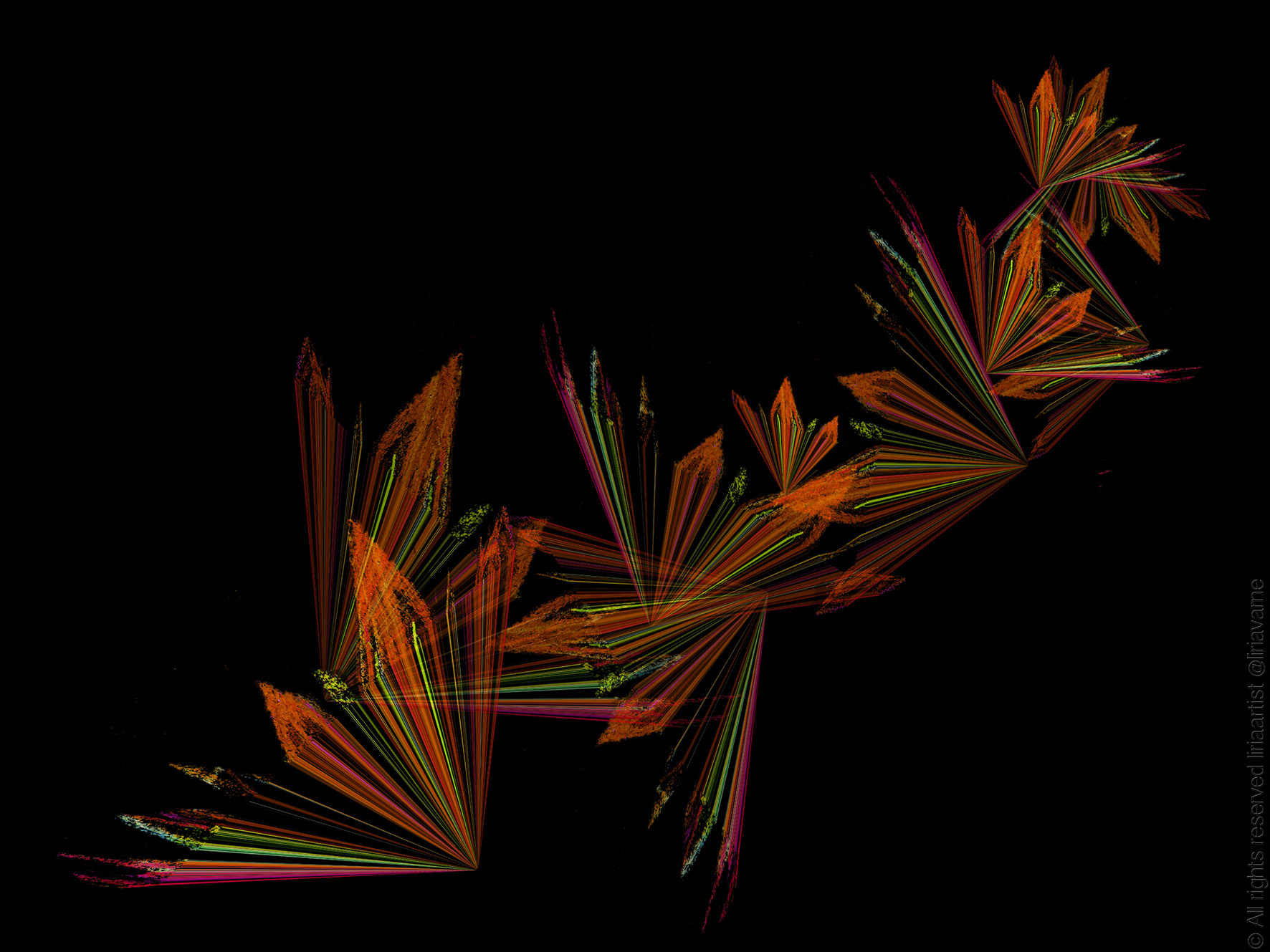

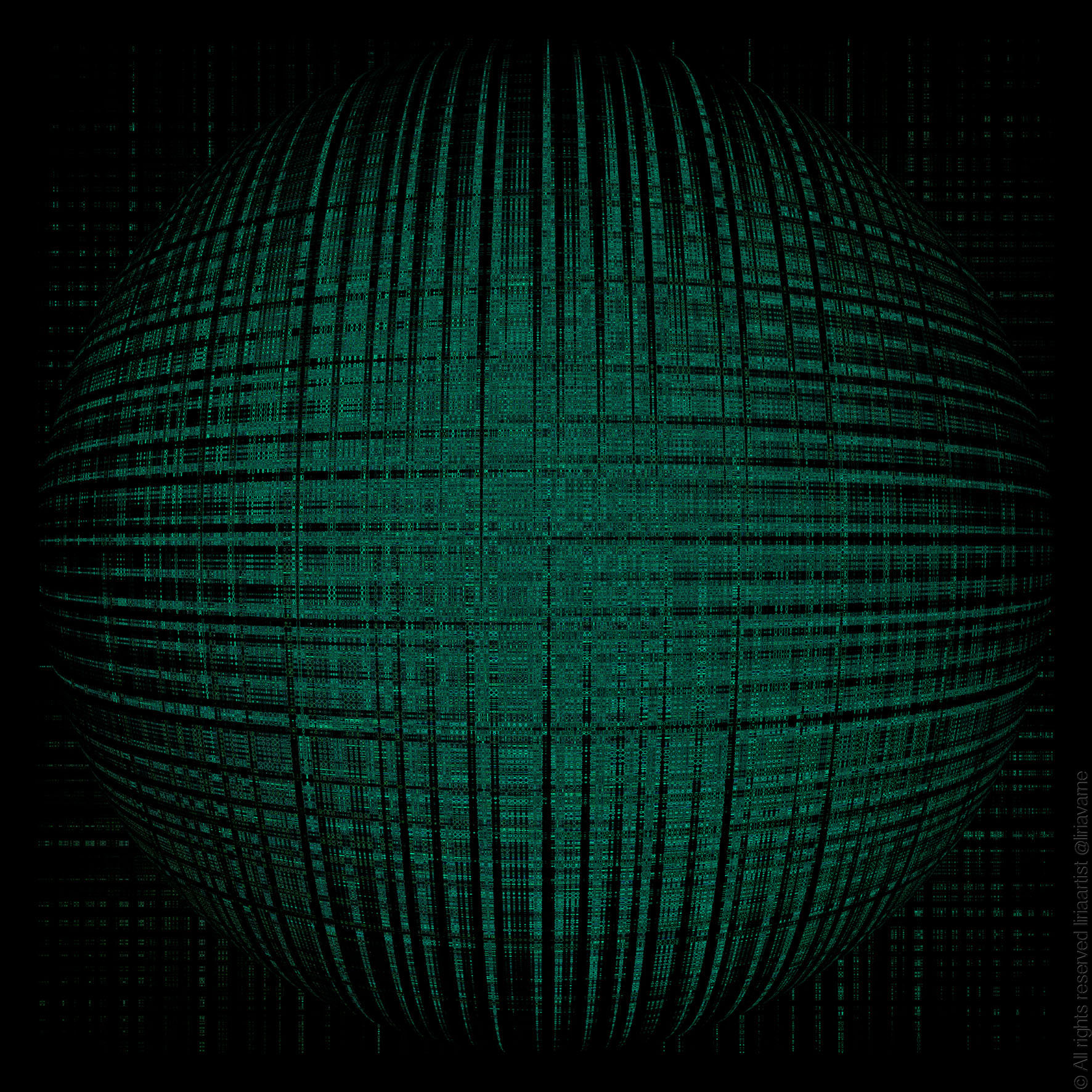


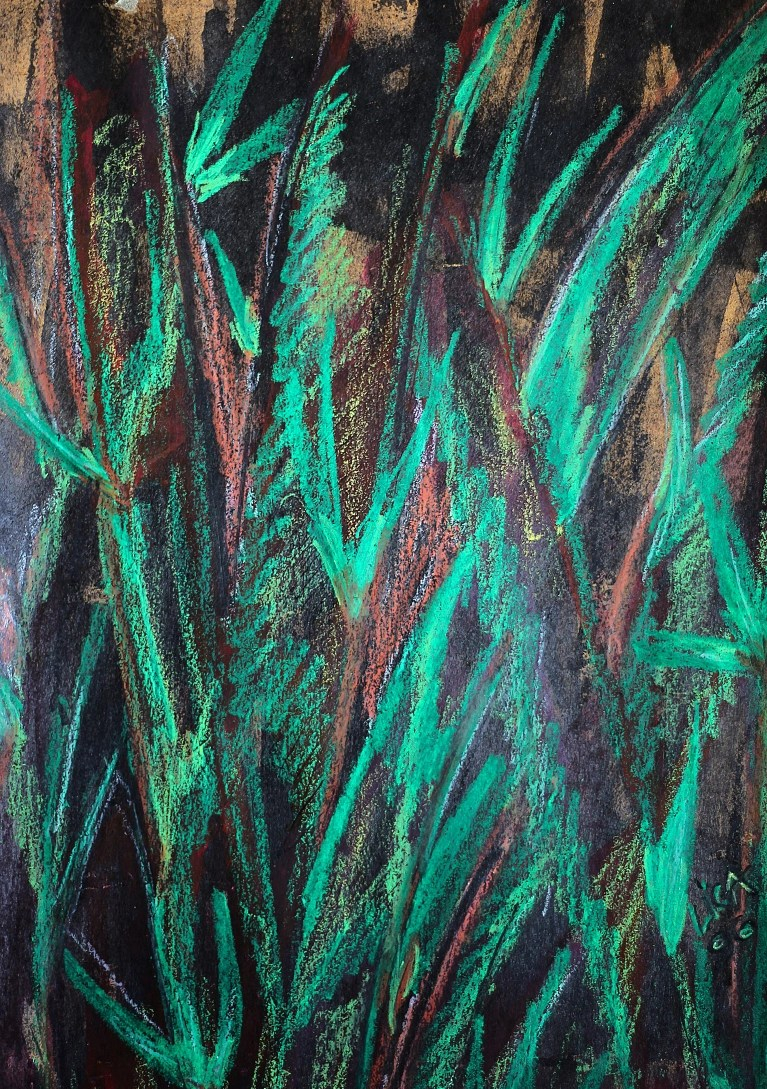
2015 Tropical Feelings names a trajectory of work in visual arts that began with theoretical research, generated a series of paintings, and later evolved into photography, digital manipulation, and artistic occupation.
The research was guided by a question: “What does it mean to be Brazilian?”
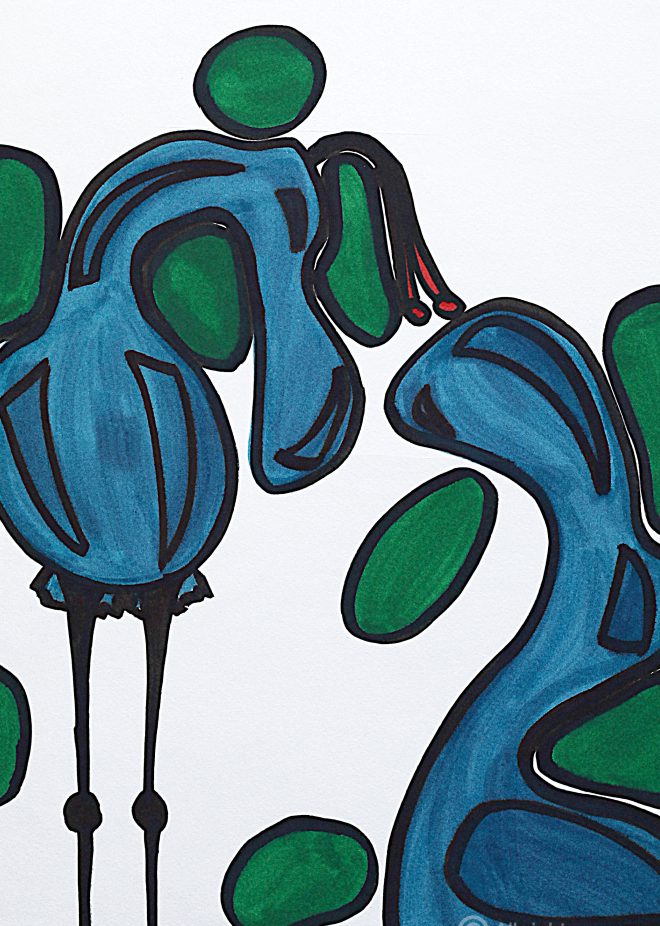
The pictorial and morphological result materialized in acrylic and oil pastel paintings on paper, featuring a “mythical being” that unusually expresses some contradictions: feelings of love and hate, fitting in and not fitting in, rains, droughts, heat, and that kind of “spirit of the people.”
In the paintings, at the beginning of the process, the “character” appears against a white background, in emptiness, in absence. Gradually, it gains a setting and fits in. This leads to the need for the second stage: the occupations.
In the occupations, the Tropical Feelings initially invade the city “virtually,” where, through digital manipulation, the “character” is introduced into the scene by the artist. In a second stage, the characters are physically spread throughout the city.
2015 Tropical Feelings nomeia uma trajetória de trabalho em artes visuais que se iniciou com uma pesquisa teórica, gerou uma série de pinturas e evoluiu, depois, para fotografia, manipulação digital e ocupação artística.
A pesquisa foi direcionada por uma pergunta: “O que é ser brasileiro?”
O resultado pictórico e morfológico se concretizou nas pinturas em acrílico e pastel oleoso sobre papel, na figura de um “ser mítico” que expressa de forma não usual algumas contradições: sentimentos de amor e ódio, o do desencaixar e do se encaixar, as chuvas, as secas, o calor e aquela espécie de “espírito do povo”.
Nas pinturas, no início do processo, o “personagem” figura em um fundo branco, no vazio, na ausência. Aos poucos, ele ganha um cenário e se encaixa. Surge, então, a necessidade da segunda etapa: as ocupações.
Nas ocupações, os Tropical Feelings (Sentimentos Tropicais), em um primeiro momento, invadem “virtualmente” a cidade, onde, via manipulação digital, o “personagem” é introduzido na cena pela artista. Em um segundo momento, os personagens são espalhados fisicamente pela cidade.


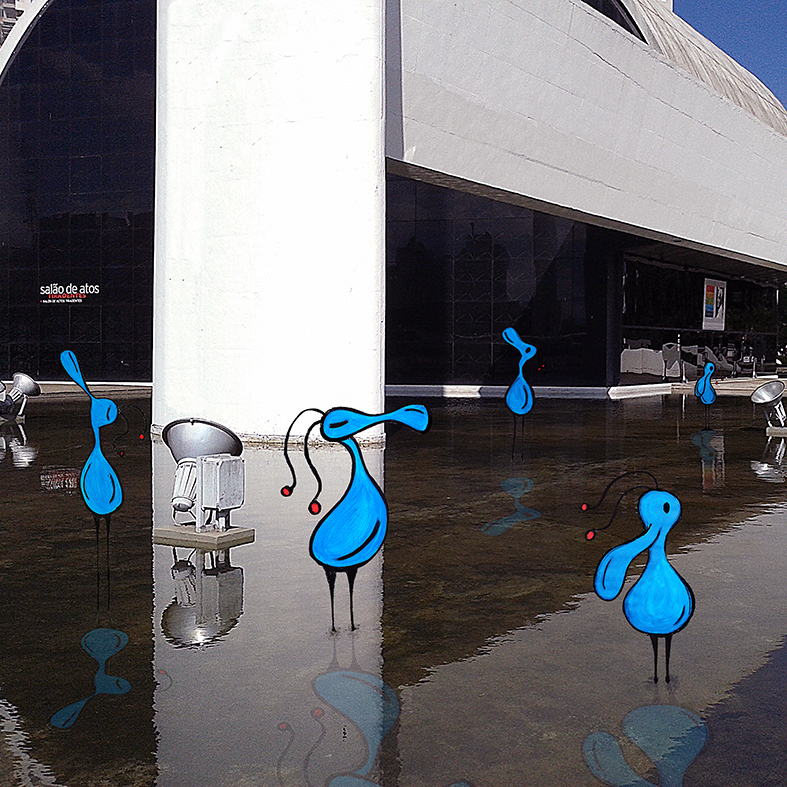
Projecto para ocupação da Via Pedonal e Ciclável do Rio Este – BRAGA
Para ver as fotos da galeria abaixo, basta clicar em uma das setas, à direita ou à esquerda da foto.


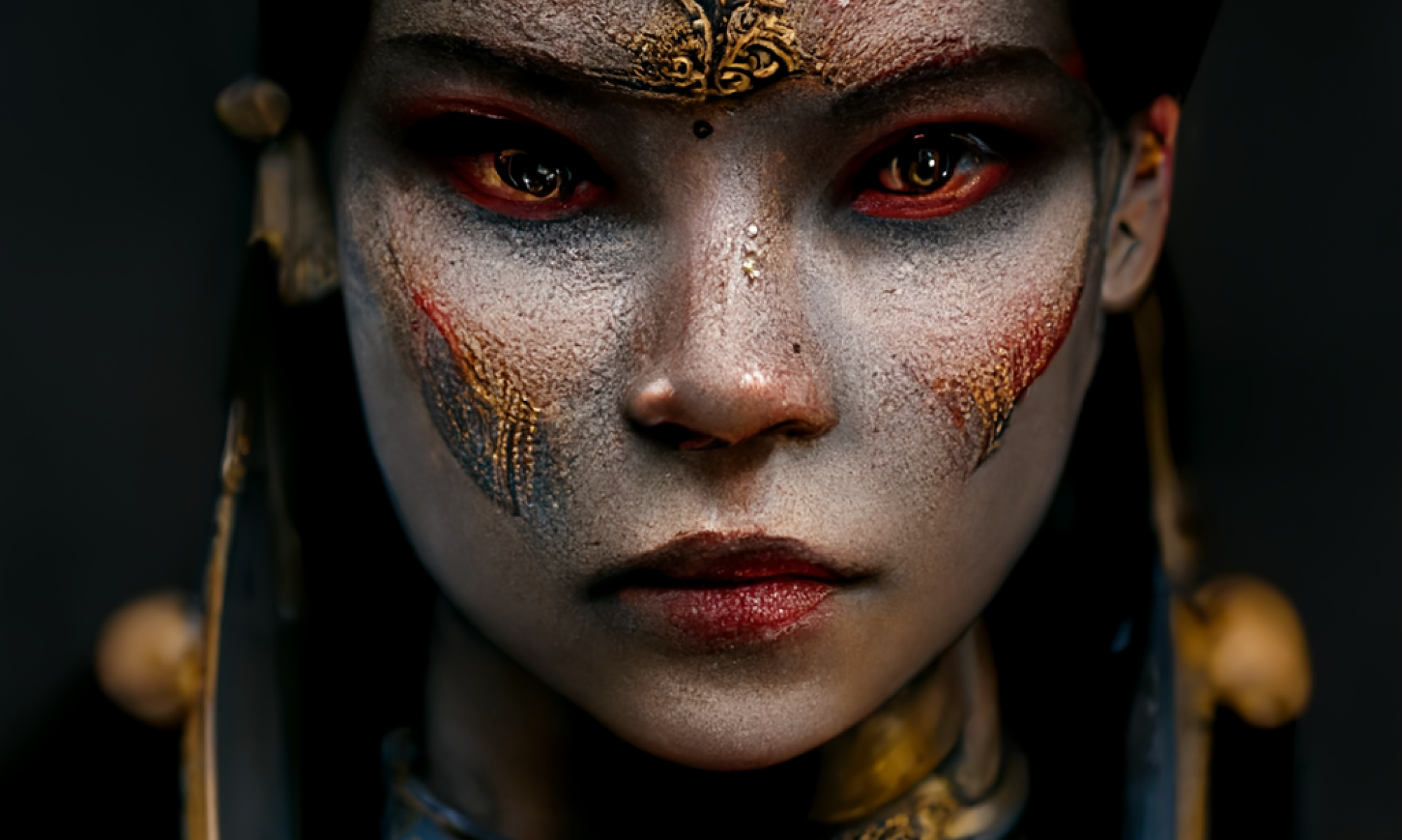
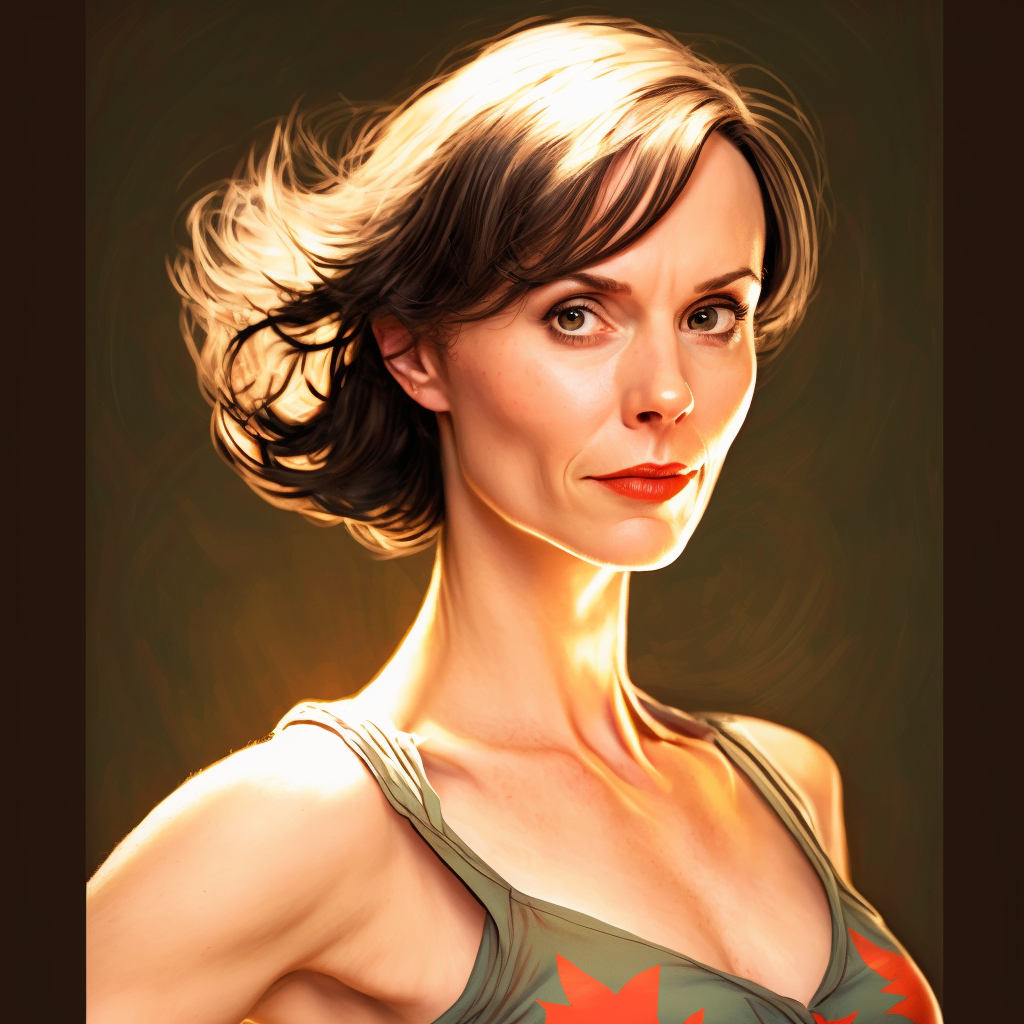
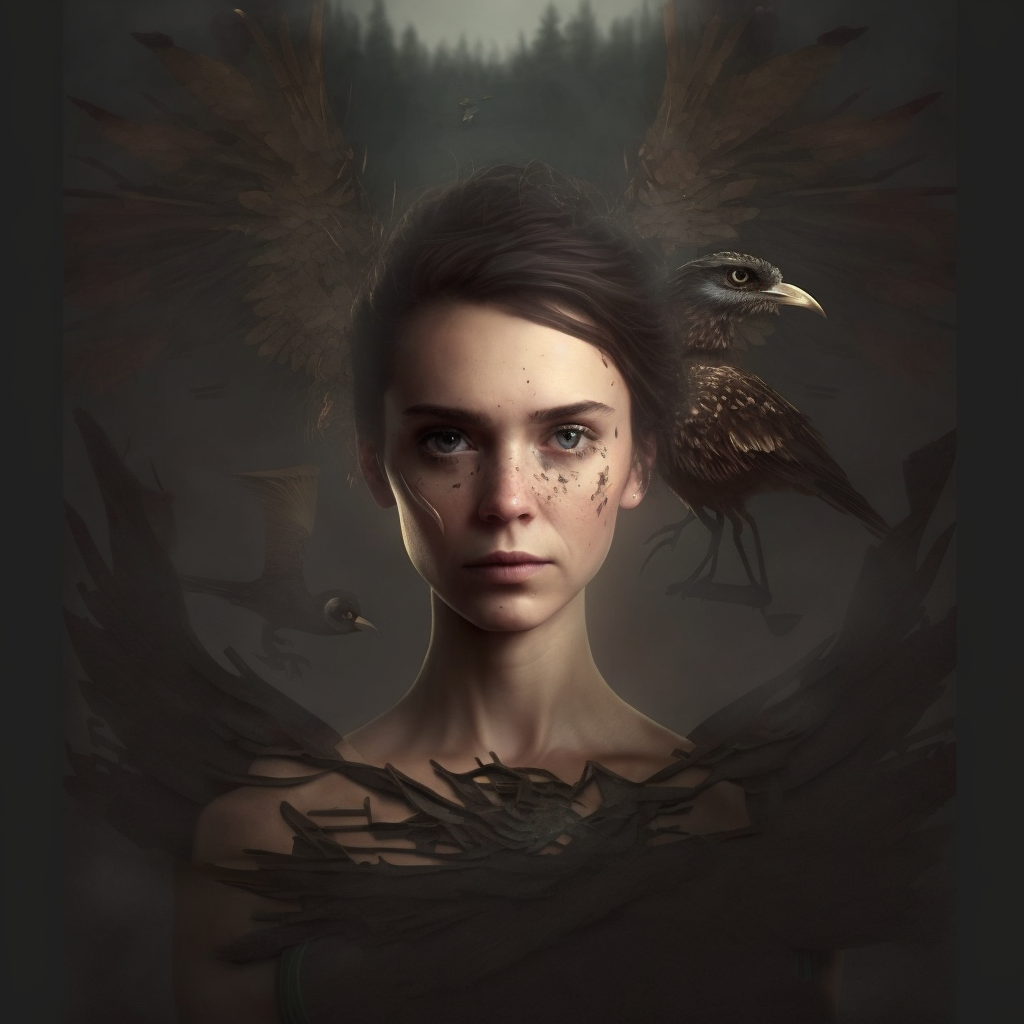
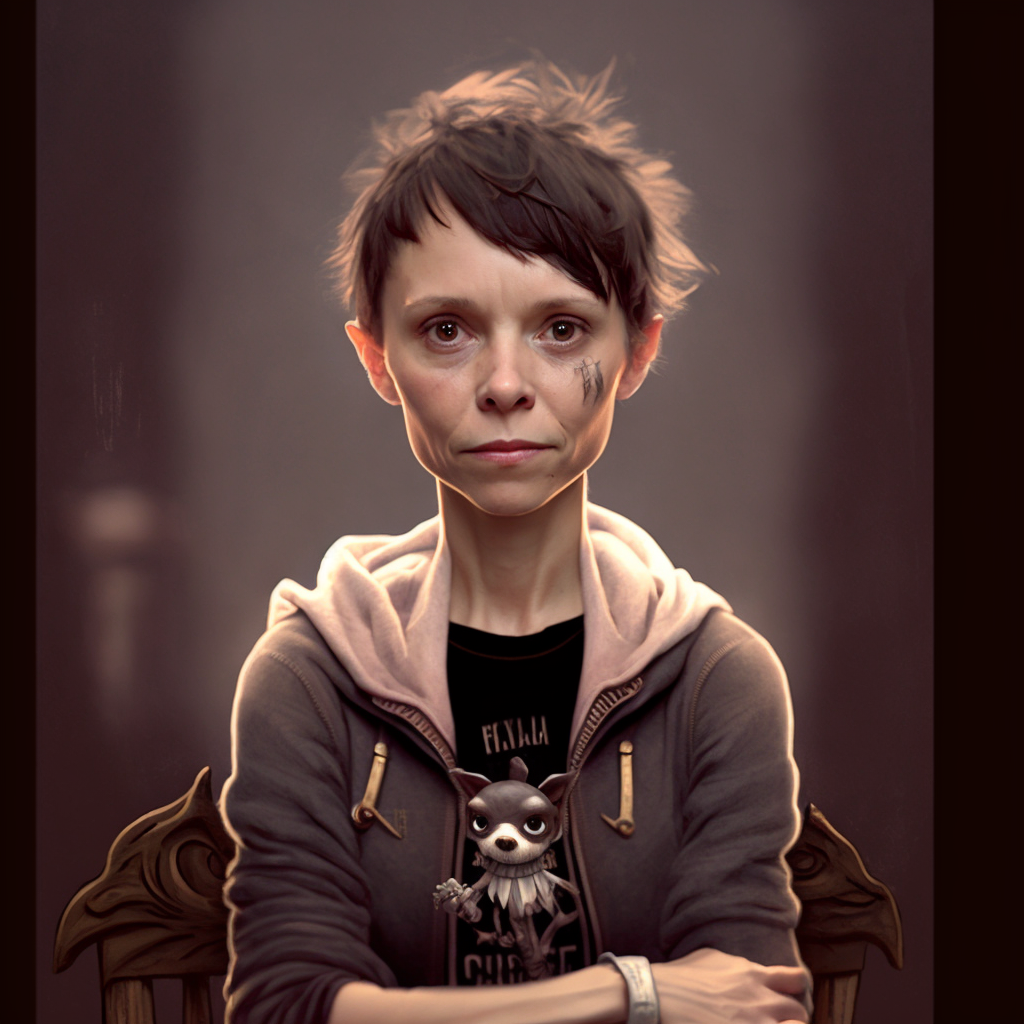
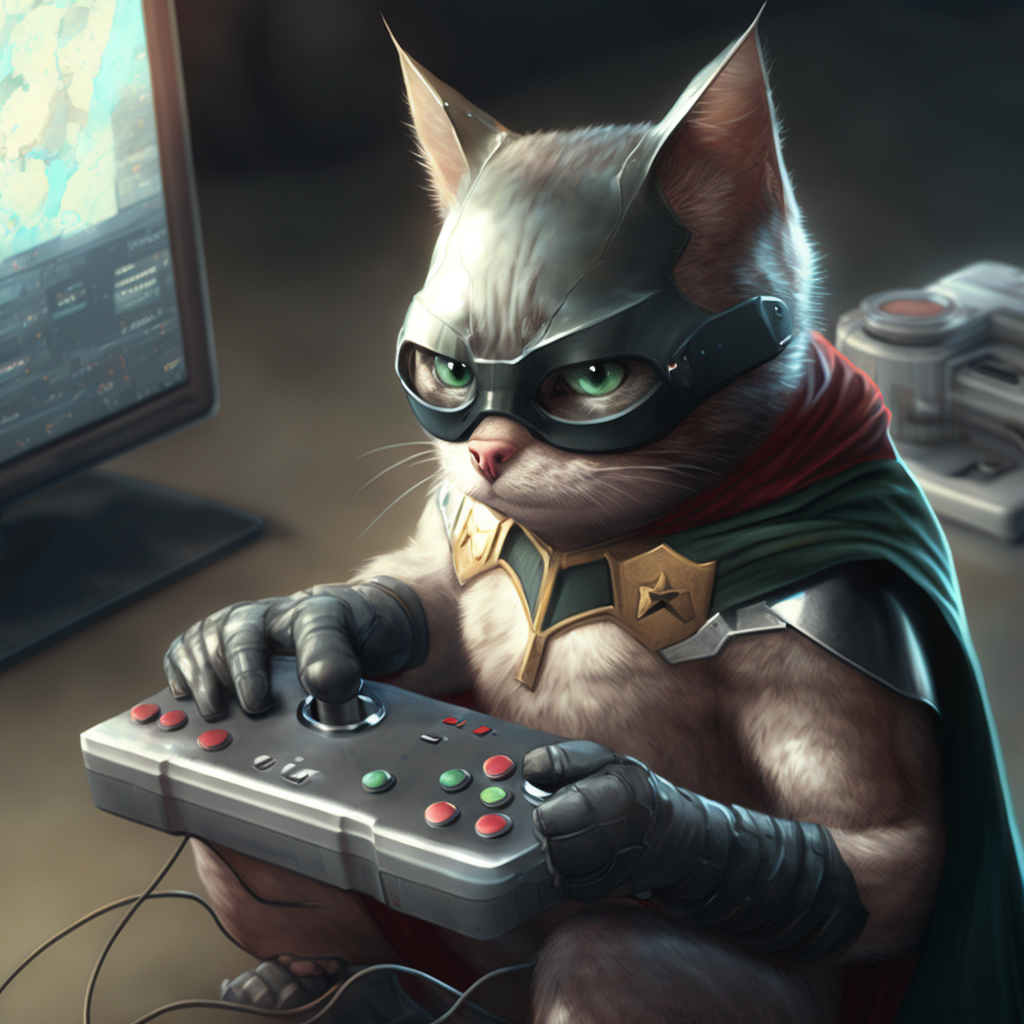
2023 I began researching artificial intelligence tools: Midjourney, ChatGPT, Runway, D-ID. Image produced, from texts, with Midjourney.
2023 Comecei a pesquisar as ferramentas de inteligência artificial: Midjourney, ChatGPT, Runway, D-ID. Imagem produzida, a partir de textos, com Midjourney.
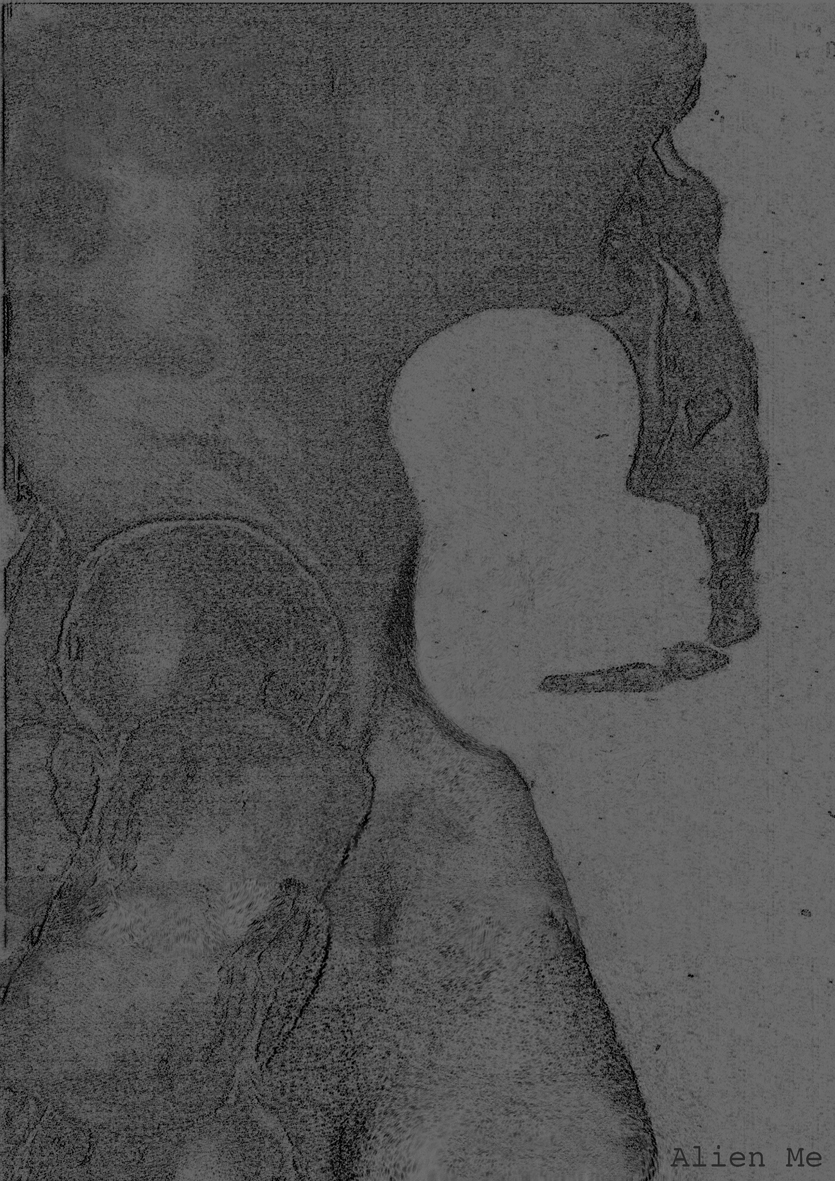
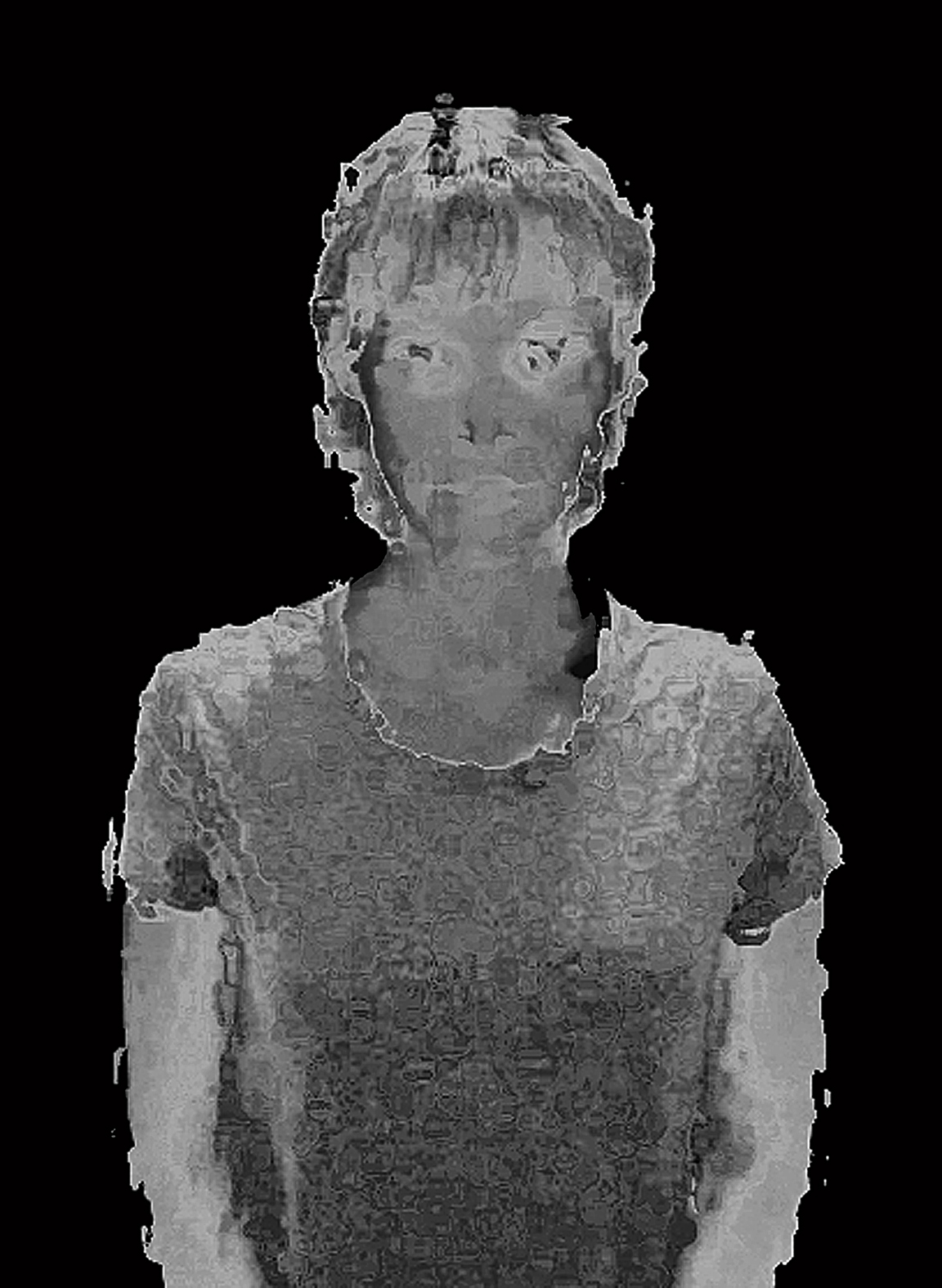
Images produced from digital manipulation in Photoshop or AI.
Imagens produzidas, a partir de manipulação digital no Photoshop ou IA.
To view the photos in the gallery below, simply click on one of the arrows, either to the right or to the left of the photo.
Para ver as fotos da galeria abaixo, basta clicar em uma das setas, à direita ou à esquerda da foto.






©2013-2024 all rights reserved Líria Varne | Liria Artist
 líria varne // Visual Artist + Performer + Media Artist